
Who gets to tell the story of UK hockey?

Everyone involved in UK hockey talks about growth.
We want bigger crowds, more people watching, greater visibility for our players, and a sport that reaches beyond the supporters who already fill our rinks. We want new audiences to discover the game, understand its stories, and find reasons to fall in love with it.
But there’s a question we don’t think gets asked often enough.
Who gets the opportunity to tell those stories?
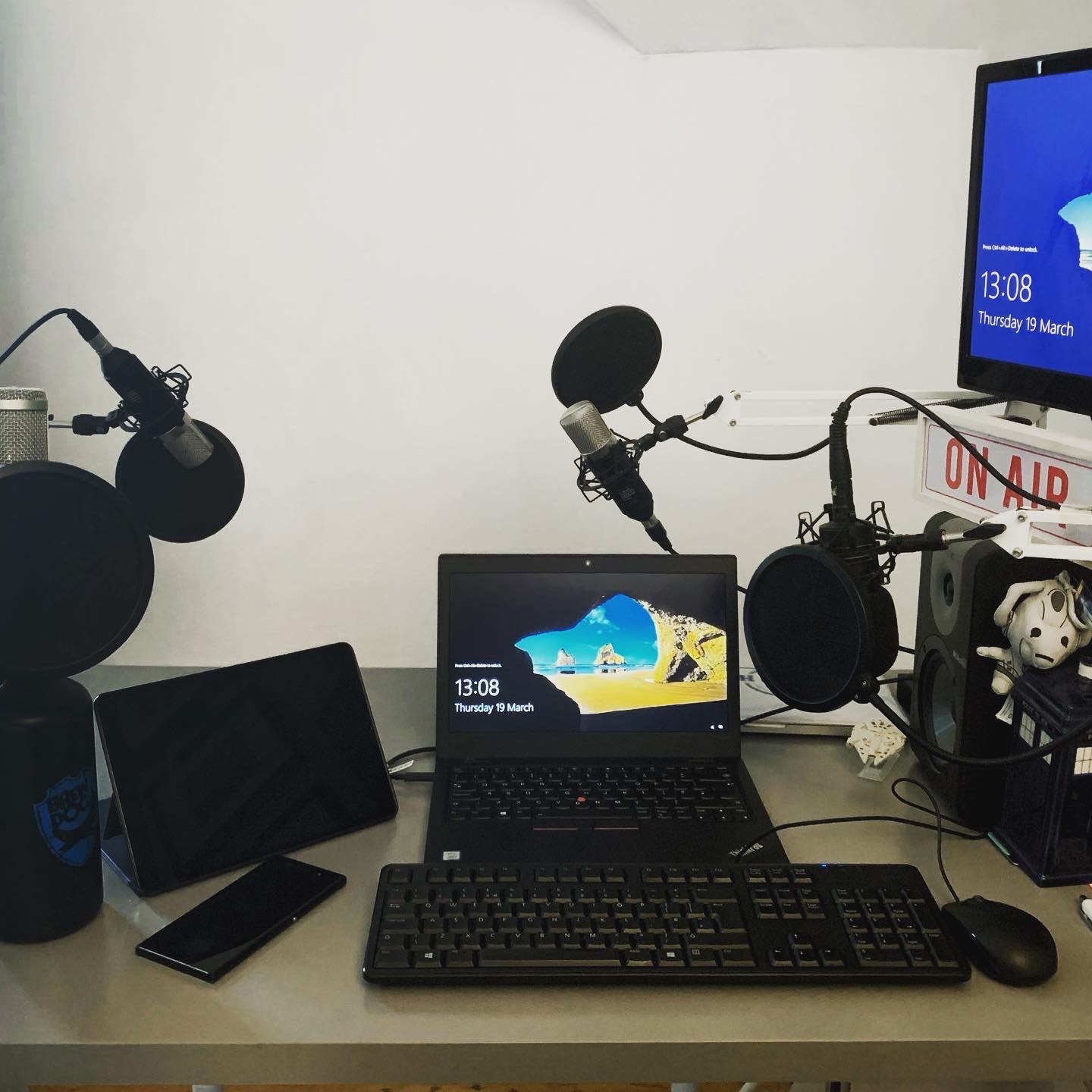
At Door 14 Hockey, we’ve spent years building an independent platform that covers the sport beyond the boundaries of a single club. Through our podcast, interviews, social media content and wider coverage, we want to connect supporters with the people and stories that make UK hockey special.
We’re not a club’s official media channel. We don’t have a team’s existing audience behind us.
Every listener, follower and viewer represents someone we’ve had to reach, engage and persuade to come back.
That audience doesn’t build itself. Every episode, interview, reel and post takes time, effort and consistency (something we really enjoy doing). We’re trying to create content people want to watch, listen to and share, while building the relationships that help us tell even more stories.
That’s why opportunities to work with clubs, players and event organisers matter. They aren’t simply a chance to get an interview. They can help us create better content, introduce our audience to new people and give more supporters a reason to discover Door 14 in the first place.
Recently, we approached the Odyssey Trust about covering the Friendship Four. Our proposal went beyond attending an event or recording a single interview. We offered a package of coverage, including a podcast, interviews, social media reels, and YouTube Shorts.
We also supplied a one-page overview of Door 14, outlining our statistics and reach. Around five weeks later, we were still waiting for a response. We’ve since reached out to the Belfast Giants and are awaiting a reply, and they’re not the only ones.
We understand that organisations receive enquiries, juggle competing priorities, and cannot accommodate every request. A lack of response doesn’t necessarily mean a lack of interest, and we won’t pretend to know the reasons behind it.
But the experience raises a question worth discussing.
If independent creators are willing to invest their time and platforms in promoting UK hockey, how can we make it easier for that work to happen?
Because this isn’t simply about Door 14 getting an interview. It’s about the opportunities the sport might miss when independent media and the organisations running its events struggle to connect.
We All Want the Sport to Grow. What Role Does Media Play?
Growing UK hockey isn’t the responsibility of one organisation.
Clubs work to attract supporters, the league promotes its competitions, players help bring personality to the sport, and fans spread their passion through their own communities. Media has a role in connecting all those efforts.
That includes official club channels, established podcasts, broadcasters, journalists and independent creators.
Each can tell different stories, reach various audiences and give supporters different reasons to stay engaged.
A club’s official channels are naturally important. They provide a direct route to supporters, help promote fixtures and signings, and give fans access to news about the team they follow.
But there’s also value in coverage that looks beyond a single club.
At Door 14, we cover UK hockey across club boundaries, as well as the wider game internationally. That gives us the opportunity to discuss different teams, introduce supporters to unfamiliar players, and connect conversations that might otherwise remain within separate fan communities.
A supporter who follows one team might discover another player’s story through our podcast. Someone who watches our social media content might find a new competition to follow. A discussion about one club could introduce a listener to a wider issue affecting the league.
That is the potential of independent media.
It doesn’t replace what clubs do. It can complement it.
If the sport wants to reach people who don’t already follow official channels, surely there’s value in encouraging more people to tell its stories.
Official Media and Independent Media Aren’t Enemies
To be clear, this isn’t an argument against official club podcasts, and it isn’t a suggestion that independent outlets should automatically receive the same access as every other media organisation.
We know people involved in official club media. We’re friends with the team behind AVFTB, and we mean them no disrespect whatsoever.
Official podcasts have an important place in UK hockey. Their relationships with clubs can help them tell stories, speak to players, and give supporters insight into their teams. That work deserves recognition. Without them and their trailblazing approach to fan-generated content that saw them become an official outlet, many of the rest of us in this space wouldn’t exist.
The difference is that official media and independent media often start from different positions.
A club-backed channel can draw on the club’s established audience and communication channels. Independent outlets must build their audiences themselves, establish relationships and find ways to make their content stand out.
Neither position automatically determines the quality of the work. A strong independent podcast still needs to earn its audience, just as official media needs to produce content people want to watch and hear.
But access can influence what stories an outlet is able to tell.
If one outlet can regularly interview players while another struggles to secure an opportunity, the resulting coverage will naturally look different. Independent creators cannot tell stories they never get the chance to explore.
That doesn’t mean every request should be accepted. Clubs and organisers have limited time, competing commitments and legitimate reasons to manage access.
The question is whether there are opportunities to work together that benefit everyone involved.
This shouldn’t be a competition over who deserves to tell the story. It should be a conversation about how many more stories UK hockey could tell.
Sometimes, Fans Need an Independent Voice
Another important difference between official and independent media is the conversations they can create space for.
Club media plays a valuable role in promoting teams, sharing news and connecting supporters with players and staff. Independent media can complement that work by giving fans a space to discuss the issues, opinions and questions that matter to them.
That doesn’t mean official channels are doing anything wrong by focusing on something different. It simply means independent outlets can serve a different purpose.
We’ve seen that at Door 14.
When the Belfast Giants revealed their O2 jersey, a significant number of supporters expressed frustration about the design, particularly the feeling that the Giants’ own identity and logo had taken a back seat. It became a talking point among fans, and we felt it deserved a conversation.
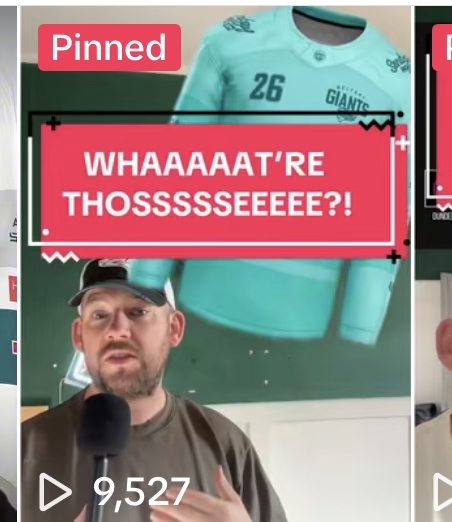
We discussed the issue on our podcast and created a dedicated reel and social media posts around it. Our intention wasn’t to manufacture controversy or take aim at the club. We wanted to explore something supporters were talking about, understand why it mattered to them, and give those opinions room to be heard.
That is one of the things independent media can offer. We can pick up on conversations happening among supporters and give them space, even when those subjects aren’t part of the usual focus of official coverage or something they necessarily want to discuss.
Fans need places where they can discuss what matters to them, and independent media can help make that happen.
Of course, independence comes with responsibility. We need to be fair, get our facts right, and distinguish genuine criticism from outrage for its own sake. Being independent isn’t a licence to attack; it is an opportunity to examine issues openly and constructively.
Ultimately, growing UK hockey is about more than getting people to watch games. It is also about giving supporters reasons to engage, feel heard and take part in the wider conversation around the sport.
Door 14 Knows What Collaboration Can Look Like
Our experience hasn’t been one of closed doors everywhere.
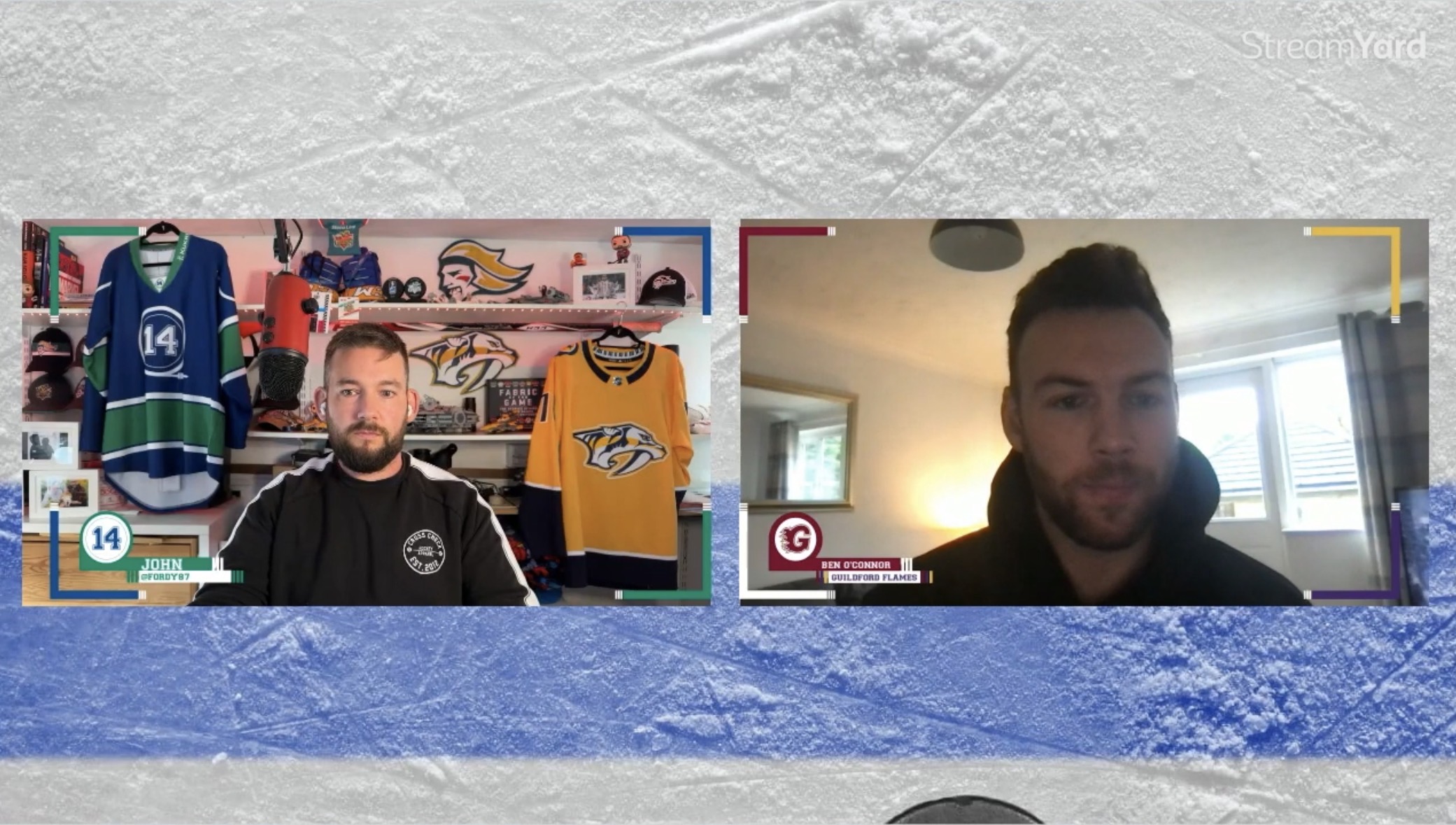
Fife, Sheffield, Guildford, Nottingham, and Coventry have all engaged with Door 14. We’re grateful for those opportunities, and they matter to this conversation.
They demonstrate that independent media can build relationships with clubs and that engagement is possible.
We’ve also experienced access at a league level. Door 14 has received EIHL media accreditation, including access to playoff weekend. That experience has given us opportunities to cover the sport within an established media environment.
And our relationship with the Belfast Giants has a positive history, too.
In 2019, the Giants granted us access to cover the Champions Hockey League. During that period, we built good connections with the Giants media contact at the time, and they helped us considerably in those early days
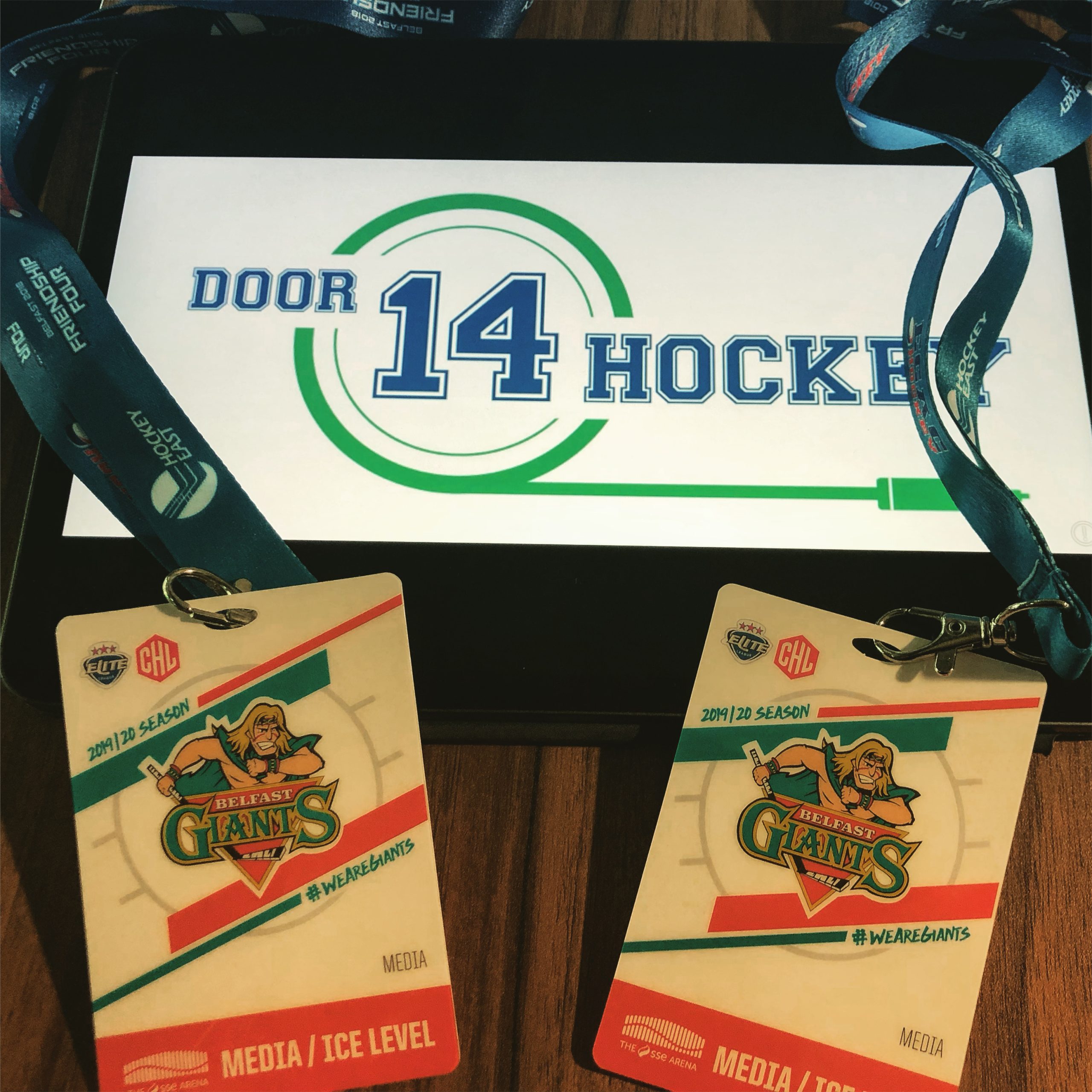
We’re grateful for that support. It showed us the value of people within the sport who are willing to help independent media do its job.
That’s why our current attempts to build relationships around the Friendship Four are not about assuming that clubs or organisers owe us something. We know collaboration can happen because we’ve experienced it ourselves.
The challenge is finding ways to make more of those opportunities possible.
The Friendship Four: An Opportunity to Reach New Audiences
The Friendship Four is an example of the kind of event where independent media could help UK hockey reach beyond its established audience.
Events like this bring together teams, supporters and people who may be discovering the sport for the first time. They create stories worth telling, from the action on the ice to the people behind the event and the atmosphere among the fans.
Independent coverage can help those stories travel further. A podcast can explore the event in greater depth. Interviews can introduce audiences to players and personalities they might not otherwise hear from. Reels and YouTube Shorts can bring moments from the event to people scrolling through social media who may never have considered watching a hockey game.
That content can benefit more than the independent outlet producing it. It can help raise the profile of the event, give supporters more ways to engage and introduce new audiences to UK hockey.
This isn’t about expecting every event to accommodate every media request. Organisers have to balance tight schedules, logistical constraints, and their own dedicated media plans
It’s about recognising that independent creators can contribute something valuable, particularly when their audiences extend beyond the people already following the teams involved.
The question is how organisers, clubs and independent media can work together to make the most of those opportunities.
Access Isn’t Just About Getting Through the Door
Media access can sometimes be reduced to a simple question: who gets a pass?
But the more important question is what happens when access leads to meaningful coverage. A media opportunity can produce interviews, features, video clips, podcast discussions and social posts. Those pieces of content can continue circulating long after the event itself has finished.
Independent creators can also bring a perspective that complements official coverage. We might ask entirely different questions, tap into new audiences, or link the event directly to broader conversations happening elsewhere in the sport.
None of that guarantees success. Access alone doesn’t make content valuable, and organisations need to consider the quality, relevance and purpose of the coverage being offered.
Independent media has responsibilities, too. We need to prepare properly, respect the people we’re interviewing, produce worthwhile content and demonstrate that the opportunity has been put to good use.
But when a creator offers a clear plan and a genuine commitment to promoting an event, there is a case for considering the potential benefits rather than treating the request as just another email.
This isn’t about unrestricted access. It’s about creating fair, clear ways for independent outlets to demonstrate what they can contribute.
What Would Better Collaboration Look Like?
We don’t believe the answer needs to be complicated. A few practical changes could make a real difference.
Clear points of contact. Independent outlets should be able to identify who handles media enquiries and understand how to submit a proposal.
Transparent processes. Clear information about accreditation, interview requests and deadlines would help creators plan their coverage and understand what organisers can accommodate.
Opportunities to work together. Where schedules allow, interviews with willing players, access to relevant events and conversations with organisers could help independent outlets create meaningful content.
Recognition of good work. Sharing quality independent coverage can help organisations reach audiences they might not reach through their own channels alone.
A willingness to start a conversation. Not every proposal will be suitable, and not every request can be accepted. Even so, a clear response can help an outlet understand the position and consider other ways to contribute.
These absolutely aren’t demands for special treatment. They’re practical ways to explore whether independent media can support the sport’s wider ambitions.
And the benefits don’t have to flow in only one direction. Clubs and organisers get additional coverage, creators get the access they need to produce great content, and supporters ultimately get more ways to connect with the stories behind the game.
That is what a healthy relationship between official and independent media could look like.
This Is Bigger Than Door 14
We could make this article entirely about our own experience. We could focus on the unanswered emails, the interviews we’ve struggled to arrange or the events we’d like to cover.
But that would miss the bigger point.
Door 14 is one independent outlet within a much wider hockey community. Other podcasts, writers, photographers, video creators and fan-led platforms invest their time in telling the sport’s stories.
Some have established audiences. Others are just starting out. Their resources, formats and ambitions differ, but many share a desire to see the game reach more people.
Not every creator will be right for every opportunity. Not every organisation will have the capacity to engage with everyone who gets in touch.
Still, if UK hockey wants more visibility, it should be willing to consider how independent media can contribute to that goal.
We don’t expect every door to open. We do believe there should be a meaningful way to knock.
And when a relationship does develop, we should recognise its potential as more than a one-off favour. It could become an opportunity to tell better stories, reach new audiences and help people discover more of the sport.
Who Gets to Tell the Story?
At Door 14, we want to play our part in growing UK hockey.
We want to tell the stories that make the sport special, speak to the people who shape it and connect supporters across clubs and competitions. We want to celebrate what works, ask difficult questions when necessary and help audiences discover things they might otherwise miss.
We’re proud of the relationships we’ve built and grateful to the clubs and people who have engaged with us, and we recognise that building a sustainable independent media platform takes persistence, patience and plenty of work behind the scenes.
We don’t believe independent creators should receive access simply because they ask. We believe opportunities should be considered on their merits, with clear expectations and respect for the people making them possible.
But we also believe the sport should be open to the value that independent media can bring.
Official channels matter. Independent voices matter. Broadcasters matter. Fans sharing stories with one another matter.
UK hockey doesn’t need everyone to tell the same story. It needs opportunities for more of its stories to be told.
So here’s the question we’d like to leave with you.
If we all want UK hockey to grow, how can clubs, leagues, organisers and independent media work together to reach the people who haven’t discovered it yet?
We’d genuinely like to hear your thoughts.
Because growing the sport isn’t just about getting more people through the doors. It’s also about giving them more reasons to care about what happens once they’re there.
Door 14 Hockey. For the fans that get it.
You must be logged in to post a comment.