
There’s Being a Fan. Then There’s Crossing the Line.
 From uncomfortable interactions at the rink to the expectations placed on players away from it, hockey fan behaviour raises an important question: where does passion end and entitlement begin in UK hockey?
There’s no right or wrong way to become a hockey fan.
Some people have been going to games for as long as they can remember. They’ve followed the same team for years, bought season tickets, travelled up and down the country and built friendships that probably wouldn’t exist without hockey.
Others are brand new to the rinks. They might have been dragged along by a mate, stumbled across a viral clip on TikTok, or tumbled down the BookTok rabbit hole following a specific player’s account long before they even understood the offside rule
Honestly, who cares how you got here?
If you’ve found something you enjoy, that’s a good thing. UK hockey needs new fans just as much as it needs the people who’ve been supporting their teams for decades.
But there’s something else worth talking about.
At what point does being a fan become something more than simply loving the sport?
Cheering for a player from the stands is one thing; expecting them to hand over their personal time whenever you demand it is completely different. Just because you recognise someone on the ice doesn’t mean you actually know them and passion for the sport should never bleed into a sense of entitlement over the people who play it.
It’s a conversation that can be uncomfortable, but that doesn’t mean we should avoid it.
It Doesn’t Matter How Long You’ve Been a Fan
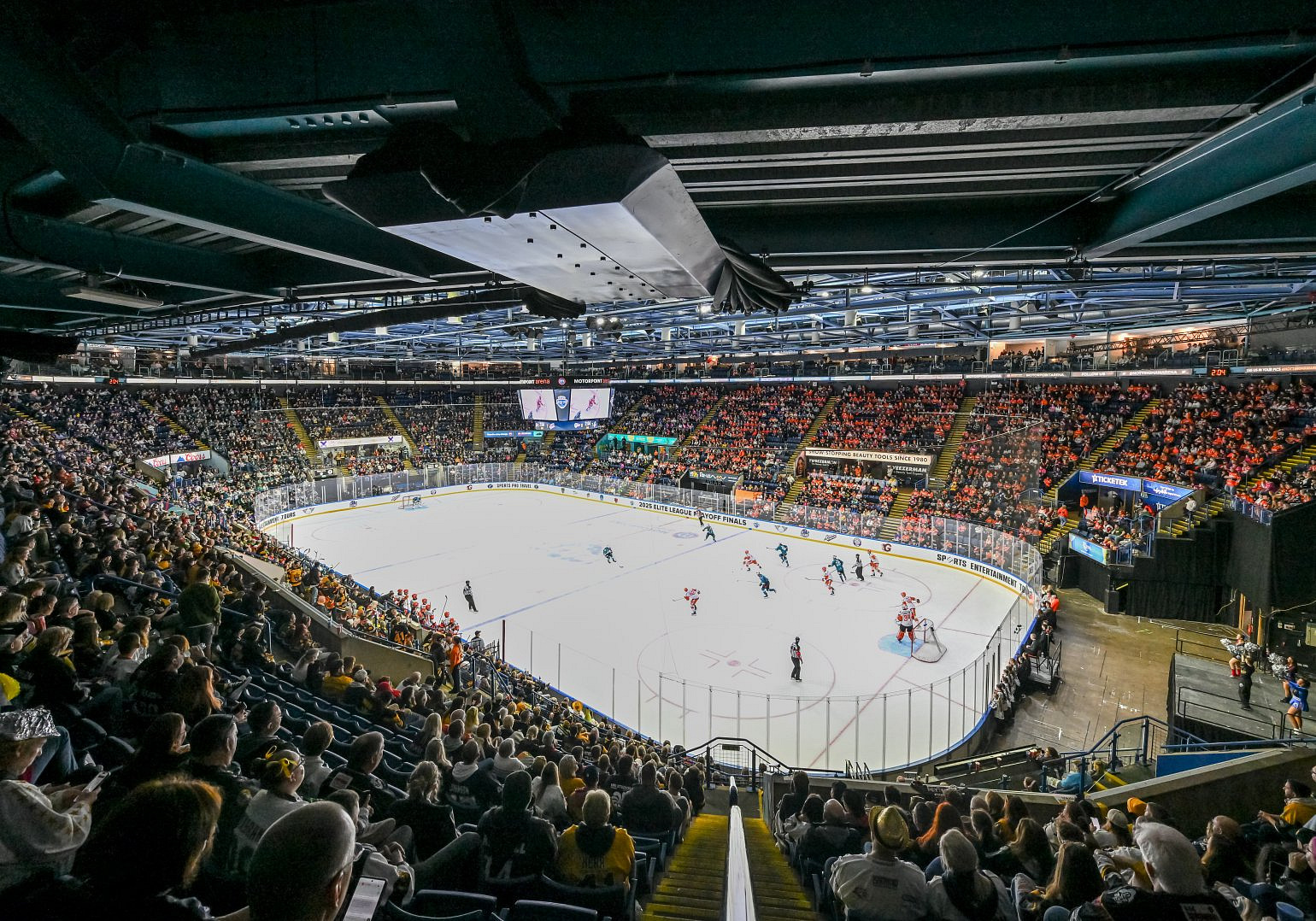
There’s an idea in some sporting communities that not all fans are equal.
The people who’ve held season tickets for years, travelled to countless away games and followed their team through every high and low can sometimes be dismissive of those who are newer to the sport.
Of course, years of supporting a team mean something. So do the away trips, the money spent, the memories made and the friendships built along the way.
But that doesn’t make everyone else’s experience any less valid.
Fandom looks completely different for everyone now. You’ve got people who live entirely on hockey social media or create their own content, alongside fans who watch every single webcast, and others who might only manage a couple of live games a year.
And yes, some people discover hockey because they like the look of a particular player.
So what?
If that interest gets someone through the door and they end up falling in love with the sport, why would we complain?
We should be encouraging people to get involved, not deciding whether they came to hockey for the right reasons. There shouldn’t be a loyalty test before someone is allowed to call themselves a fan.
But welcoming new fans doesn’t mean every part of fan culture should be beyond criticism.
How you get into hockey isn’t the issue. What you do with that passion is where things get interesting.
When Being a Fan Starts to Feel Like Entitlement
One of the best things about UK hockey is that it can feel accessible, but this is where hockey fan behaviour can start to become a problem.
You see the same players every week. You learn their names, recognise their personalities and follow what they’re doing on and off the ice. Sometimes you get the chance to have a chat after a game, get an autograph or grab a photograph.
Those moments are part of the appeal. For a young fan, meeting their favourite player can be something they remember for years.
There’s nothing wrong with that.
But there’s a difference between appreciating those interactions and beginning to expect them.
A player signs your jersey. Brilliant.
Does that mean they’re obliged to sign it every time you see them? No.
A player stops for a photograph after a game. Great.
Does that mean they have to stop whenever you approach them? No.
Even if a player recognises you from years of seeing you by the glass, it still doesn’t automatically mean you’re friends.
Players can appreciate their supporters without wanting every interaction to turn into a personal relationship.
Players can be entirely friendly and genuinely love chatting with the fanbase, while still reserving the right to decide that tonight, they’d rather just bypass the crowd and head straight home to their families.
That shouldn’t need explaining.
An autograph isn’t a promise of future attention, and a friendly conversation isn’t an invitation into someone’s private life.
Players Aren’t Characters in Our Stories
Social media has changed the way we follow sport as well as hockey fan behaviour.
We don’t just watch players during games anymore. We see interviews, training clips, behind-the-scenes content and little glimpses of their lives away from the rink.
For some fans, that interest overlaps with BookTok, hockey romance and the communities that have grown around them.
There’s nothing inherently wrong with that. Discovering hockey through a book, finding a player attractive, making a fan edit or having a favourite player doesn’t automatically mean someone’s crossed a line.
We’re all allowed to enjoy things.
But there’s a difference between enjoying a fantasy and expecting a real person to play along with it.
The player you see on the ice isn’t a fictional character. They have their own relationships, families, friends and lives outside the sport.
They don’t owe strangers personal attention because those strangers follow them online. Their partners aren’t fair game for unwanted attention, either. And a glimpse of someone’s life on social media doesn’t mean you’ve been invited into all of it.
This isn’t just about BookTok, by the way. The same applies to any fan who becomes so invested in a player that they start treating that person as though there’s a personal relationship between them.
The reality is, you can absolutely admire an athlete’s talent without needing to know what they’re doing every single day. You can be a massive supporter of someone on game day without ever expecting them to know your name and that is a completely healthy way to enjoy professional sport.
Step Away from the Glass
This blurring of lines has a very specific, viral vocabulary.
If you spend any time on social media, you’ve likely seen ice hockey rinks rebranded as “boy aquariums”. The trend involves filming players during warmups through the plexiglass, treating professional athletes like captive fish in a tank, and joking about going “fishing” for a husband.
Let’s call it what it is: it’s deeply cringeworthy.
More importantly, it completely dehumanises and overly sexualises the people on the ice. We like to talk about hockey being an inclusive and welcoming environment, but treating a professional sports arena like an interactive display case completely misses the mark.
Imagine any other workplace where employees are subjected to people tapping on the glass and treating them like objects for online entertainment. It wouldn’t be tolerated and a hockey rink shouldn’t be any different.
There is a massive difference between bringing high-energy enthusiasm to the stands and reducing real human beings to a viral punchline. If we want new fans to be respected when they walk through the arena doors, the very first step is treating the players on the other side of the glass with the basic human decency they deserve.

The Back Door Isn’t a Meet-and-Greet
This is where the conversation gets a little more uncomfortable.
Discussions across hockey communities have raised questions about hockey fan behaviour waiting for players as they leave arenas, hoping to get autographs, photographs or a few minutes of their time.
On the surface, that might sound harmless enough. After all, meeting players is part of the appeal of following a sport where supporters can sometimes feel so close to the action.
There’s a massive difference between meeting players at a planned team signing event and expecting them to be available the second they step outside the building.
An arena exit isn’t automatically a meet-and-greet.
When a player is heading to their car after a brutal shift, they might be carrying an injury, dealing with a tough loss, or simply exhausted and ready to see their family. Clocking out of work shouldn’t mean facing a gauntlet of smartphones, jersey signing requests, and unscheduled small talk
The fact that a player uses a particular exit doesn’t make it a public signing session.
A Player’s Home Isn’t Part of the Arena
The same applies when the final buzzer has long since sounded and the player is nowhere near the rink.
Concerns about fans seeking access to residential buildings where players live, or deliberately trying to encounter them as part of their private routines, raise a much more serious question about boundaries.
To be absolutely clear: running into someone in public isn’t a crime. Bumping into a player at the local gym isn’t inherently suspicious, and asking for a quick autograph by the glass doesn’t automatically make a supporter intrusive.
What really matters here is intent. Actively scouting out a player’s residential building or tracking their daily routine just to force an encounter isn’t “bumping into them”; it’s a massive breach of basic privacy.
A player’s home is not an extension of the rink, and their personal time isn’t another opportunity for fan engagement.
The same goes for repeatedly asking the same player for autographs or attention. Collecting memorabilia is part of being a fan, but the person signing it is still entitled to say no.
There has to be a point where the desire to meet a player gives way to their right to be left alone.
And no, this isn’t about players thinking they’re too good to speak to fans. It’s about allowing them to decide when they want to engage and when they want to be left alone.
That’s a pretty basic expectation to have of other people.
Just because a player is accessible doesn’t mean they’re available. And just because you can get close to someone doesn’t mean you should.
Buying a Season Ticket Doesn’t Buy You a Relationship
Fans have every right to expect professionalism from their clubs and the people representing them.
If you’ve paid for a season ticket, travelled to away games and spent years supporting a team, you’re entitled to have opinions. You can question performances, criticise recruitment, challenge decisions and ask why things aren’t being handled properly.
That’s part of being a supporter.
Nobody is suggesting fans should sit quietly, accept everything and never say a bad word about their team.
But there’s a difference between expecting a professional standard and expecting personal access.
A season ticket guarantees you a seat in the arena; it doesn’t buy you a private friendship with an athlete. Throwing money at merchandise doesn’t mean a player suddenly owes you their personal time, and decades of loyalty still don’t give any of us a vote on how those players live their lives away from the glass.
That might sound harsh, but it shouldn’t be a difficult concept to understand.
We support the team, pay to watch the games and become emotionally invested in what happens.
At the end of the day, the people on the ice have lives of their own. And we don’t get to demand a piece of those private lives simply because we bought a ticket and fell in love with the game.
Not Every Criticism Is Toxic
The phrase toxic fan gets thrown around quite a lot, sometimes to describe behaviour that genuinely crosses a line and sometimes to shut down opinions someone doesn’t like.
It’s important to recognise the difference.
Let’s be clear: tearing into a player’s performance after a bad shift isn’t toxic. Calling out a coach’s questionable tactical decisions isn’t toxic, and getting deeply frustrated by a club’s total lack of communication doesn’t make you a bad supporter. It just makes you a passionate supporter.
Fans should be able to have honest conversations about the sport. That’s true whether those conversations happen in the stands, in a bar, on social media or through independent hockey media.
But there is a massive gulf between breaking down a player’s on-ice mistakes and sliding into their DMs to hurl personal abuse. Dragging an athlete’s partner or family members into a hockey argument is completely out of bounds and spamming someone’s private inbox isn’t justified just because you buy a ticket every weekend
Social Media Doesn’t Remove Personal Boundaries
The same goes for online behaviour.
Just because you can send a message, comment on a photograph or find someone’s social media account doesn’t mean you need to.
A public profile isn’t an open invitation to unlimited personal contact. A player doesn’t have to respond to every message, explain every decision, or engage in every discussion and when someone doesn’t respond, that should be the end of it.
We sometimes talk about hockey as though passion excuses everything.
It doesn’t.
It is entirely possible to be completely furious or disappointed with your team on a Saturday night while still recognising that the human beings wearing the jerseys deserve basic personal boundaries. Those two things aren’t mutually exclusive.
What Kind of Hockey Community Do We Want?
This isn’t an argument for putting players on pedestals or treating them as untouchable.
Players are professionals, and their performances can be scrutinised. Clubs have responsibilities to their supporters, and those responsibilities should be taken seriously.
Nor is this an argument against meeting players, collecting autographs, taking photographs or enjoying the connection that makes hockey so special.
Those things can be brilliant parts of being a fan.
It’s about understanding that a relationship with a sport doesn’t give us unrestricted access to the people involved in it.
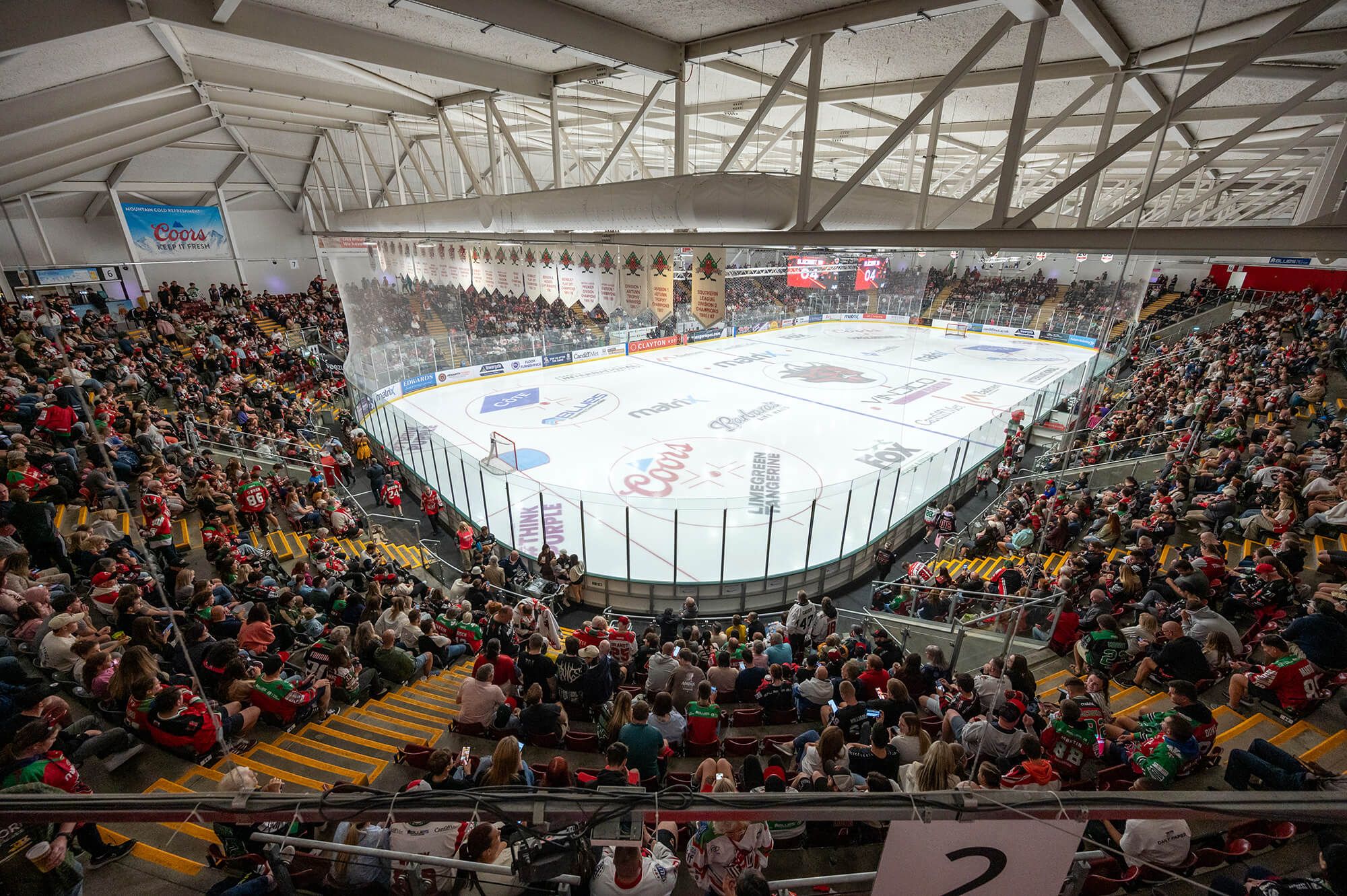
A healthy hockey community should be wide enough to welcome brand-new faces regardless of how they found the sport, while fiercely valuing the long-standing supporters who have kept the rinks alive for decades. At the same time, it needs to be an environment where players can genuinely enjoy interacting with the crowd without feeling like every polite smile binds them to a permanent obligation.
Supporters Can Set the Standard Too
There are already examples of supporters taking that responsibility themselves. Take the Nottingham Panthers Supporters Club, for instance. They recently stepped up and shared their own community-driven guidance on player interactions, pointing out common-sense boundaries around everything from casual post-game chats and selfies to respecting an athlete’s personal space.
It’s not an official club policy, and it doesn’t need to be. What’s important is that supporters have recognised the value of setting those expectations within their own community.
It makes an important point: respecting players shouldn’t simply be something we expect clubs to enforce. It should be something we take responsibility for as fans, too.
Imagine if more supporters’ groups across UK hockey took a similar approach. Not because fans need a list of rules to tell them how to behave, but because the standards we set for our own communities say a lot about the kind of sport we want to be part of.
It ultimately comes down to basic self-awareness. It means reading the room when approaching a player after a gruelling shift, respecting a polite refusal without taking it as a personal insult, and completely drawing the line at tracking down anyone’s home or private routine just to force an encounter.
If a player wants to stop and chat, enjoy it. If they don’t, let them go.
And if you find yourself deliberately trying to work out where a player lives, where they exercise or how to create an opportunity to see them outside hockey, it’s worth taking a step back and asking why.
Being a fan should add something to your life. It shouldn’t require someone else to give up their privacy to make it enjoyable.
You Can Love Hockey Without Owning a Piece of It
UK hockey is built on people who care.
The lifelong supporters. The season ticket holders. The away-day regulars. The families bringing their kids to their first game. The people who’ve just discovered the sport and can’t stop talking about it.
There’s room for all of us.
But being part of a community also means understanding that the people within it are entitled to their own lives.
You can absolutely love a player’s style without demanding their attention, just as you can fiercely back a team without expecting a private relationship with the people wearing the jerseys. It is entirely possible to be the most dedicated supporter in the arena while still knowing exactly when to step back and give someone space.
Nobody is asking you to care less about hockey.
It’s about remembering that the people who play it are more than the jerseys they wear.
You have every right to love this sport. You don’t have a right to someone’s private life just because they’re part of it.
For the fans that get it.
You must be logged in to post a comment.